

What it is
A bike fit adjusts the bike to the rider rather than asking the rider to adapt. Most persistent discomfort on a bike, in the knees, hands, neck or saddle area, is a position problem rather than a fitness problem.
What is included
- Interview covering discomfort and history
- Flexibility and leg length assessment
- Saddle, bar and cleat adjustment
- Numeric record of the final position
- Follow-up adjustment after riding it in
How it works
Interview and history
We ask about discomfort, riding volume, flexibility and any previous injury, because the fit follows the body.
Measurement
We assess flexibility and leg length and observe the rider on the bike, pedalling under load.
Adjustment
We adjust saddle height, fore-aft, bar reach and drop, and cleat position, one change at a time.
Confirmation
We record the final position numerically so it can be reproduced on any bike or after a repair.
Frequent questions
My knees hurt when I ride. Is that the bike?
Very often, yes. Saddle height and cleat position are the usual causes, and both are adjustable in minutes once the problem is identified.
Is a fit worth it on an entry-level bike?
Arguably more so. A correct position on a modest bike beats a poor position on an expensive one, and the fit transfers to your next bike.
How long does a fit take?
A proper session takes a couple of hours, because changes are made one at a time and each is ridden before the next.
Related
Sized on reach and stack
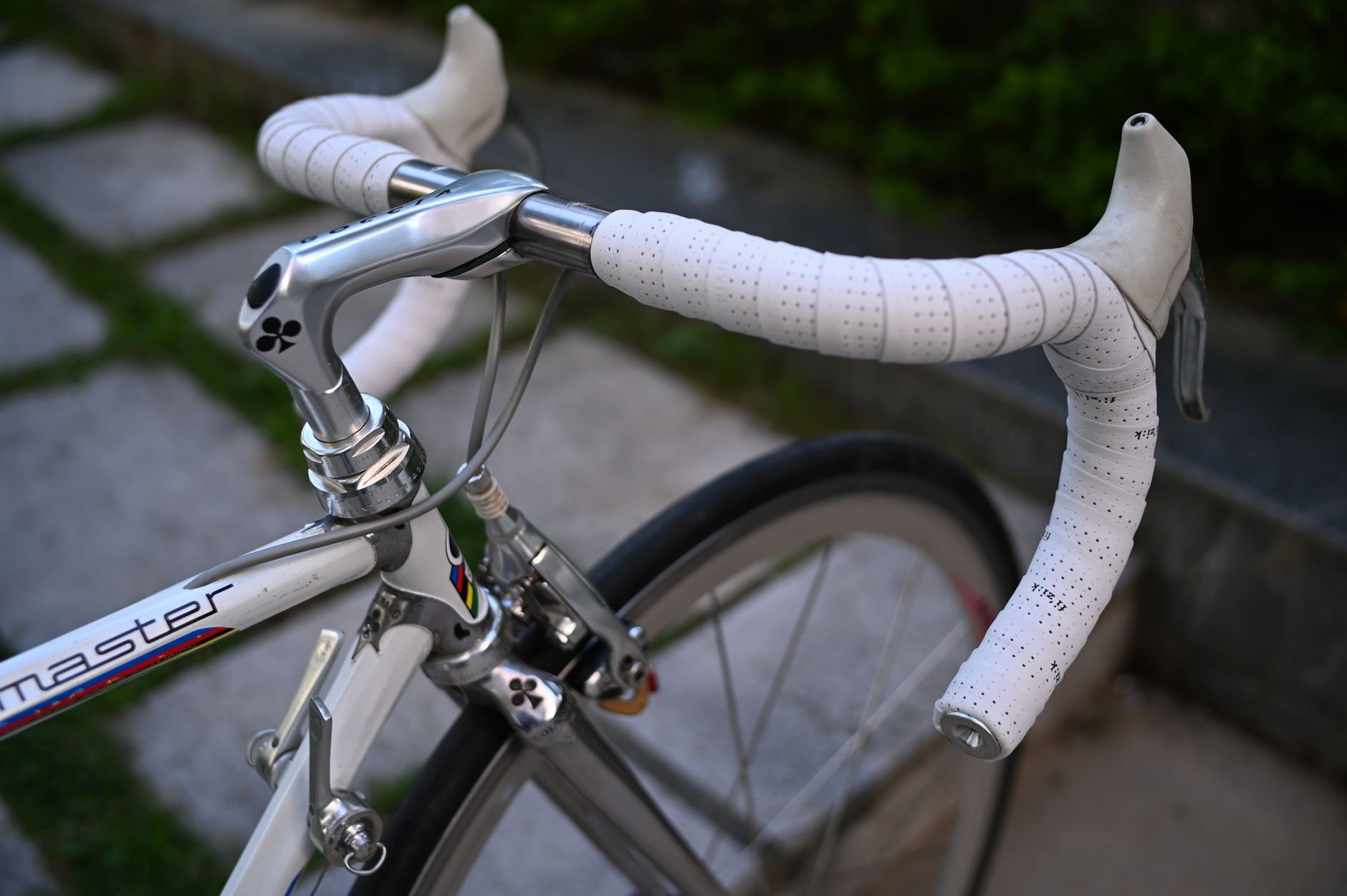
Road and gravel bikes
Road and gravel bikes fitted to the rider and geared for the terrain actually ridden.
See the detailTravel matched to the trail
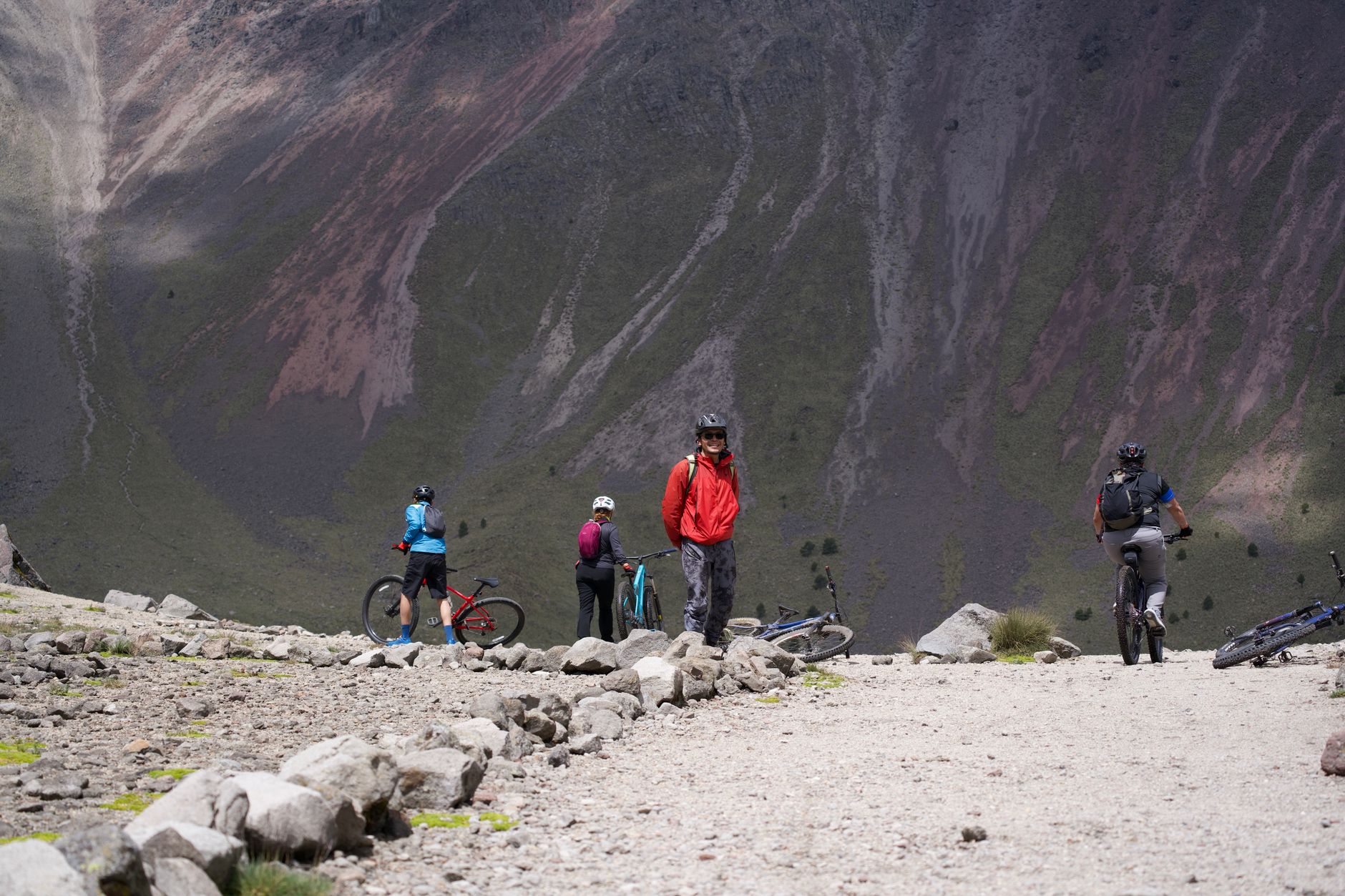
Mountain bikes
Suspension travel and geometry matched to the terrain, with sag set to rider weight.
See the detailA realistic range
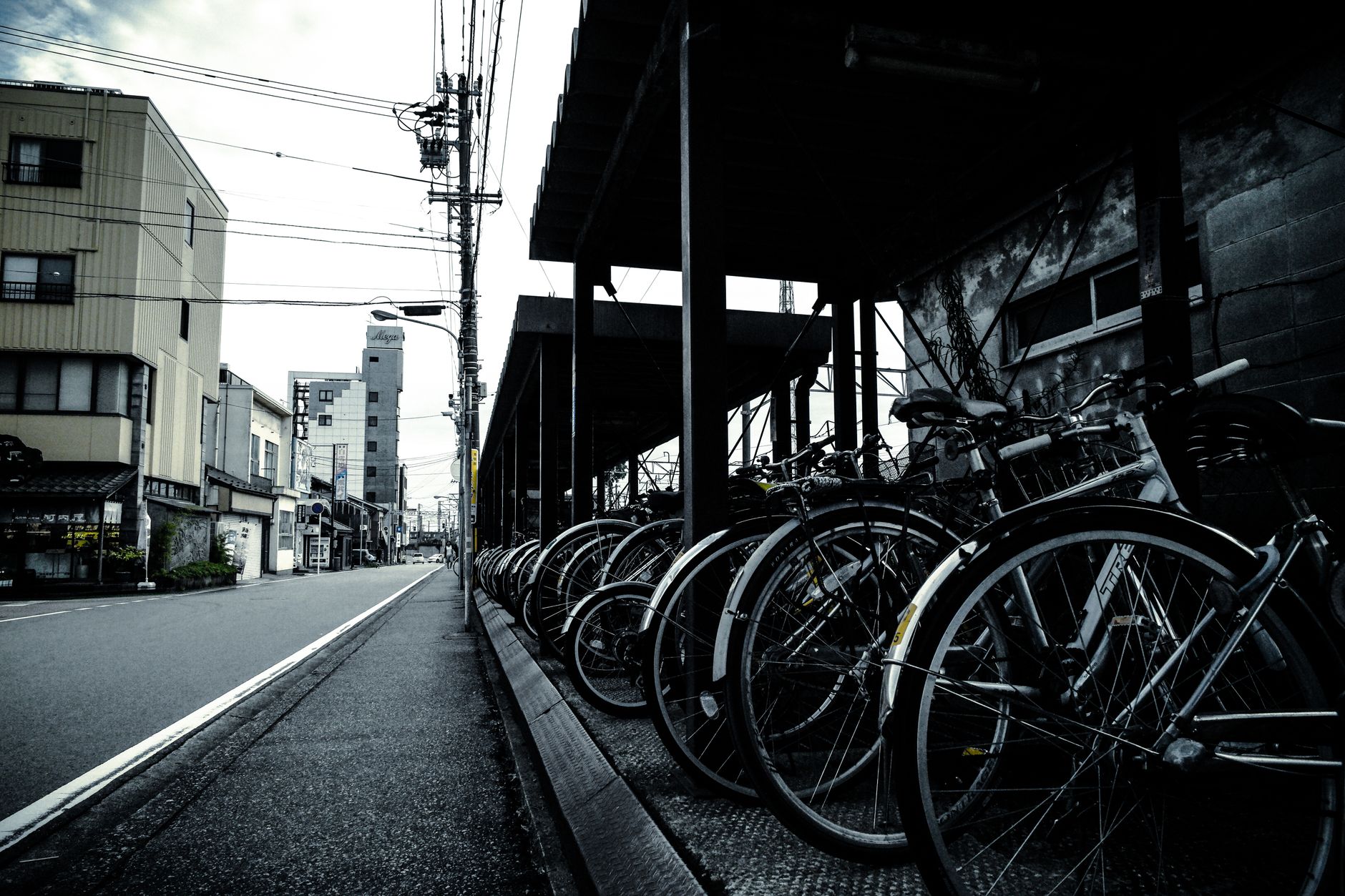
Urban and electric bikes
Commuter and electric bikes specified by real route and load, fitted with mudguards, rack and lights.
See the detail