

What it is
Urban and electric bikes are transport. What matters is realistic range, motor type, the quality of the lighting and locking, and whether the bike is comfortable in normal clothes on a normal day.
What is included
- Realistic range for your route and load
- Motor and battery matched to the journey
- Mudguards, rack, lights and stand fitted
- Battery care and charging guidance
- Registration and security advice
How it works
Journey profile
We establish distance, gradient, load carried and whether the bike is stored indoors or outdoors.
Motor and battery
We match motor type and battery capacity to that profile, and give a realistic range rather than the laboratory figure.
Practical fitting
We fit mudguards, rack, lighting and stand, because a commuter bike without them is not finished.
Security and handover
We advise on locking, register the bike, and explain battery care and charging.
Frequent questions
What range will I actually get?
Usually less than the quoted figure, which assumes flat ground, a light rider and low assistance. We give a realistic range for your route, load and gradient.
Hub motor or mid-drive?
Hub motors are simpler and cheaper. Mid-drives use the bike gearing, so they climb far better and balance the weight centrally. On hills, the difference is decisive.
How long does the battery last?
Several hundred full charge cycles before noticeable capacity loss. Avoiding long storage at full or empty charge, and extreme heat, extends that significantly.
Related
Sized on reach and stack
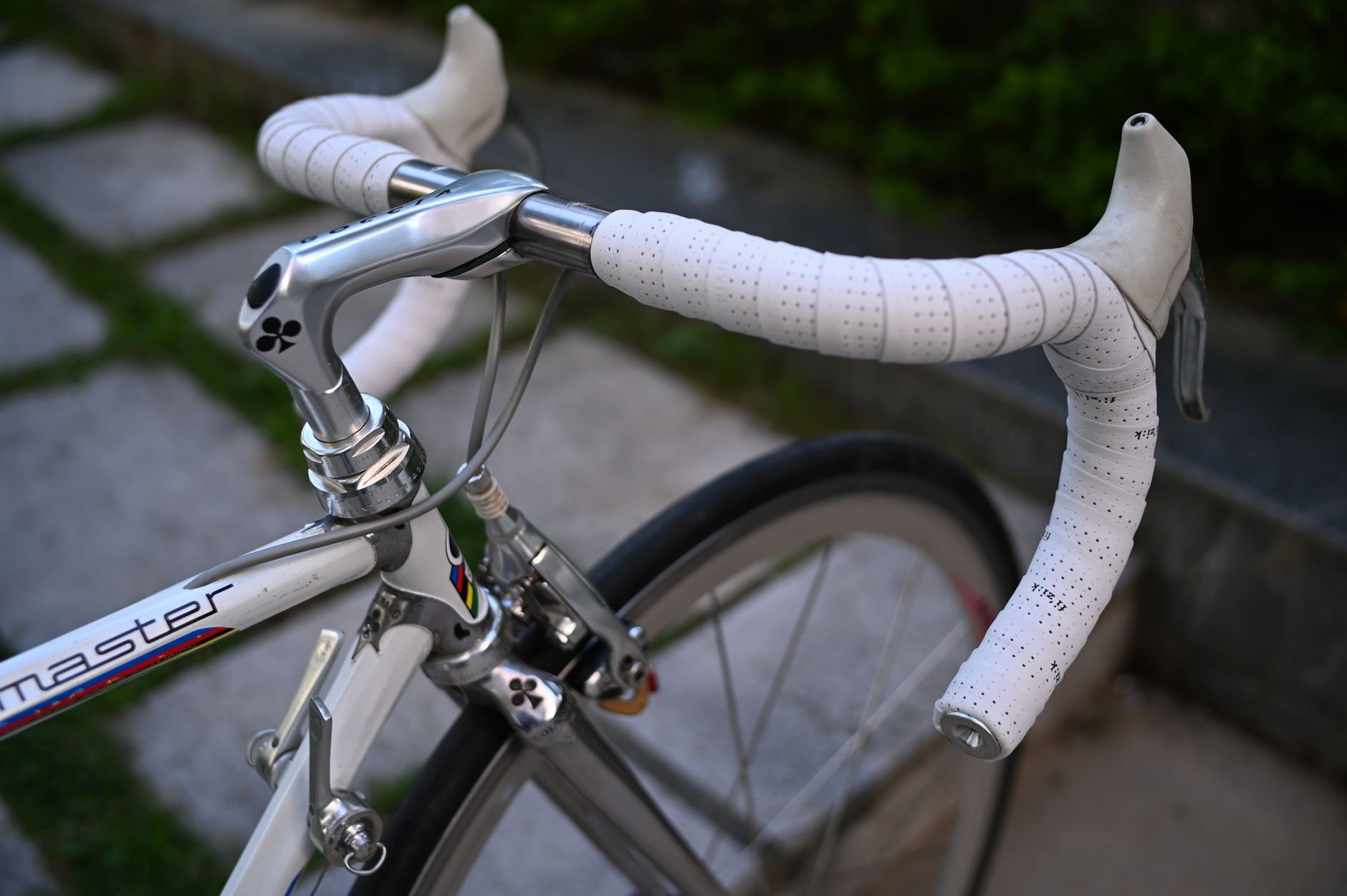
Road and gravel bikes
Road and gravel bikes fitted to the rider and geared for the terrain actually ridden.
See the detailTravel matched to the trail

Mountain bikes
Suspension travel and geometry matched to the terrain, with sag set to rider weight.
See the detailCompatibility verified
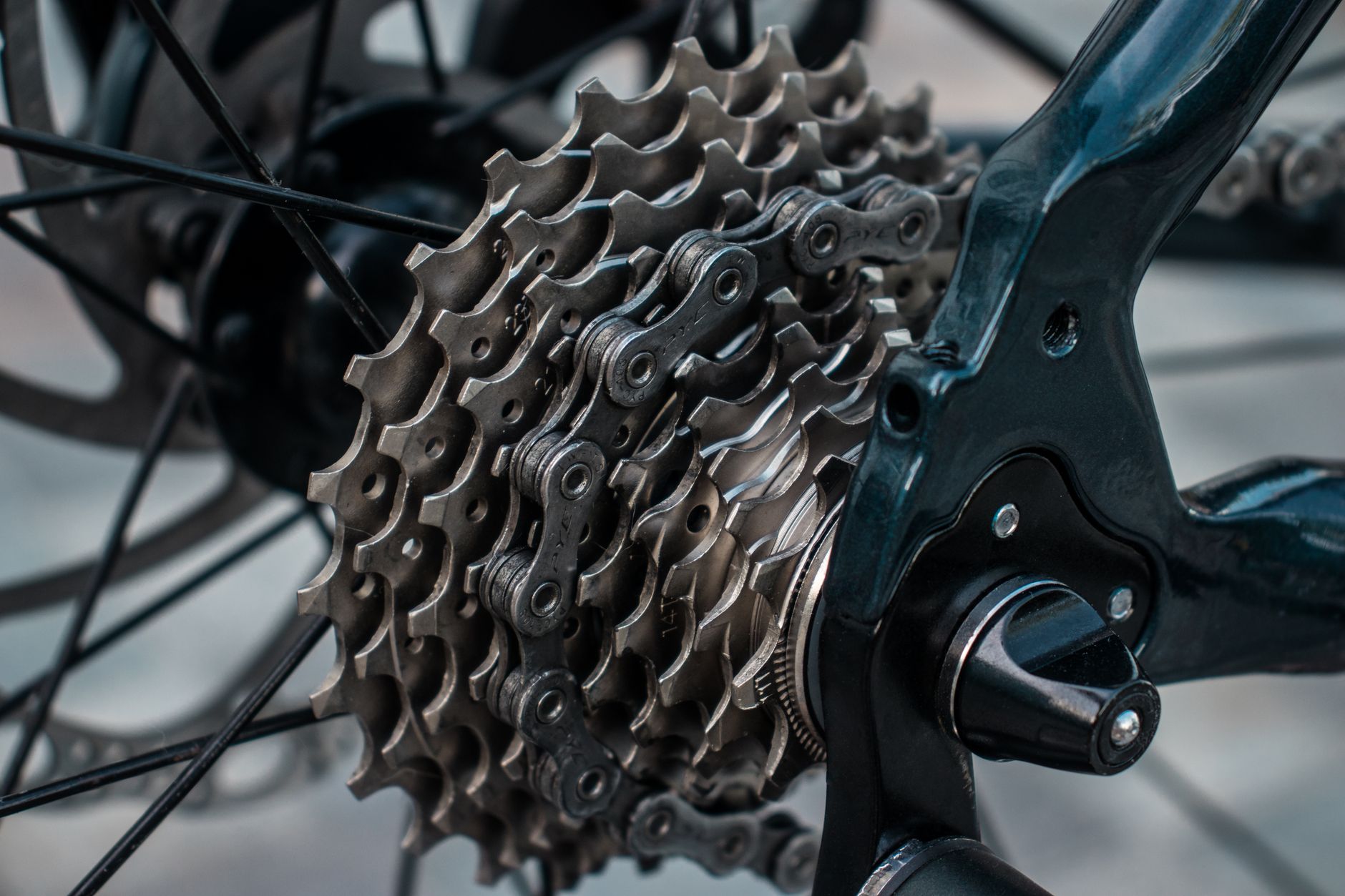
Components and upgrades
Parts checked against the standards on your actual bike and fitted to torque specification.
See the detail