
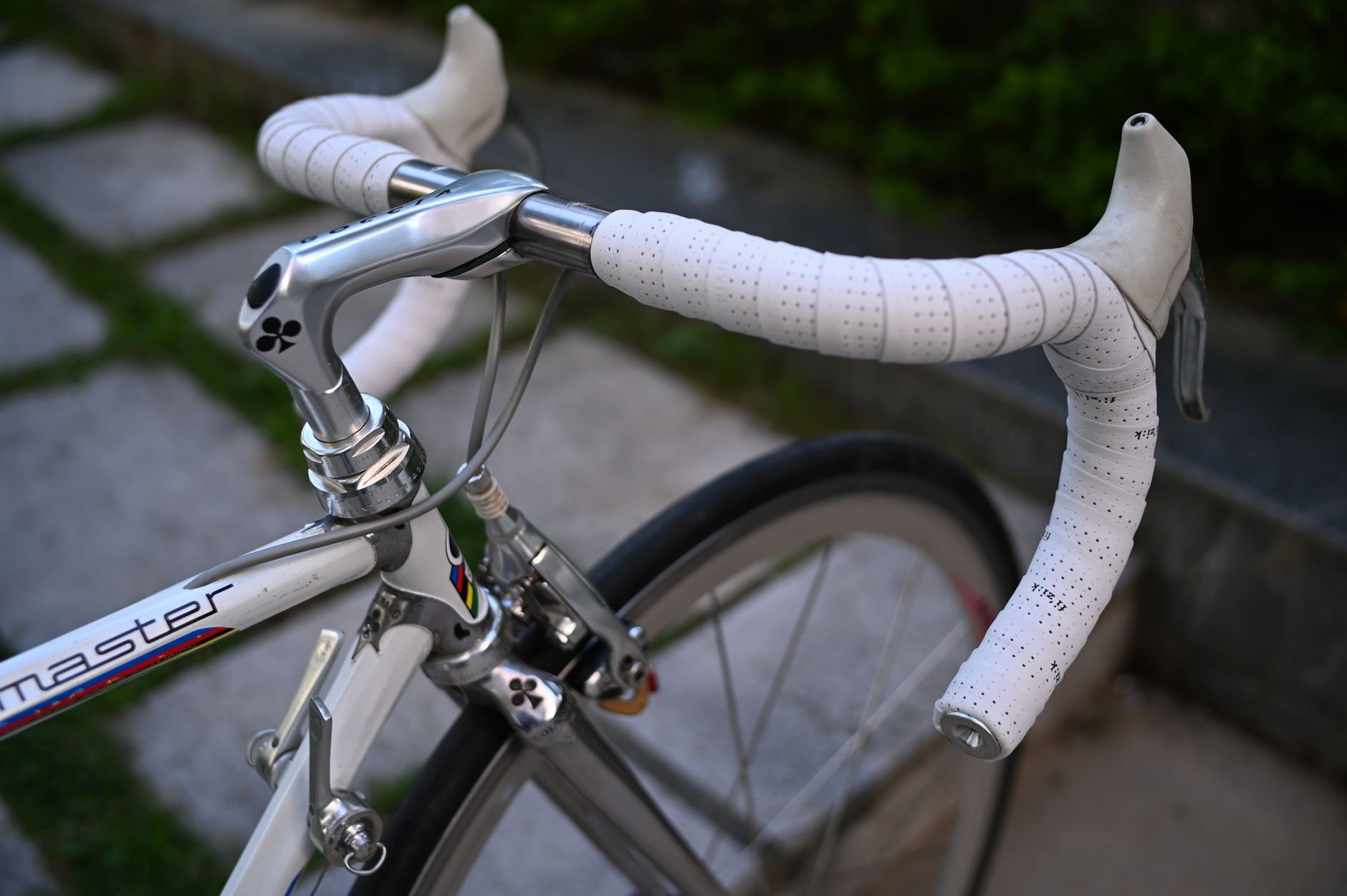
What it is
A road or gravel bike is bought on fit first and frame material second. The right size ridden in the right position is faster and more comfortable than a lighter frame in the wrong size, every time.
What is included
- Riding profile and goal assessment
- Sizing on reach and stack
- Gearing matched to local terrain
- Full setup and test ride
- First service included after bedding in
How it works
Riding profile
We establish distance, terrain and goals: fast tarmac, long distance comfort, or mixed surface with wider tyres.
Sizing
We size on reach and stack rather than on the frame label, and check standover clearance.
Groupset and gearing
We match gearing to the terrain actually ridden, since gearing suited to flat roads punishes the rider on climbs.
Setup and test ride
We set saddle height, fore-aft and bar position, then send the rider out before finalising anything.
Frequent questions
What is the difference between road and gravel?
Tyre clearance and geometry. Gravel bikes take wider tyres and have a more stable, upright position; road bikes are quicker handling and clear less rubber.
Is carbon worth it over aluminium?
For a given budget, a well-specified aluminium bike with better wheels and tyres often rides better than an entry-level carbon one. Spend on fit and contact points first.
Do I need disc brakes?
In the wet and on descents, the difference is real. On dry flat roads a good rim brake still works well, but the market has largely moved on and parts follow the market.
Related
Travel matched to the trail
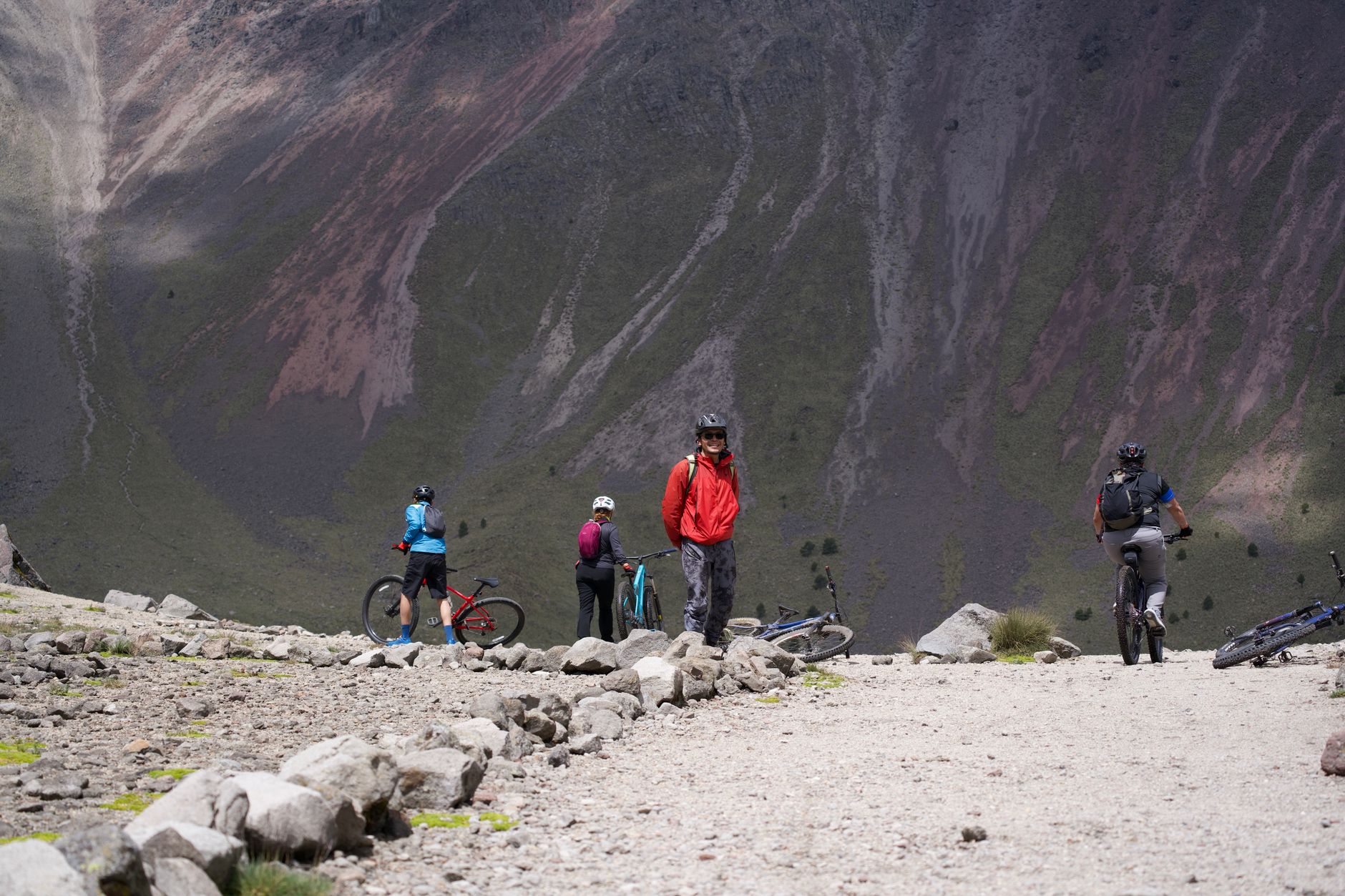
Mountain bikes
Suspension travel and geometry matched to the terrain, with sag set to rider weight.
See the detailA realistic range
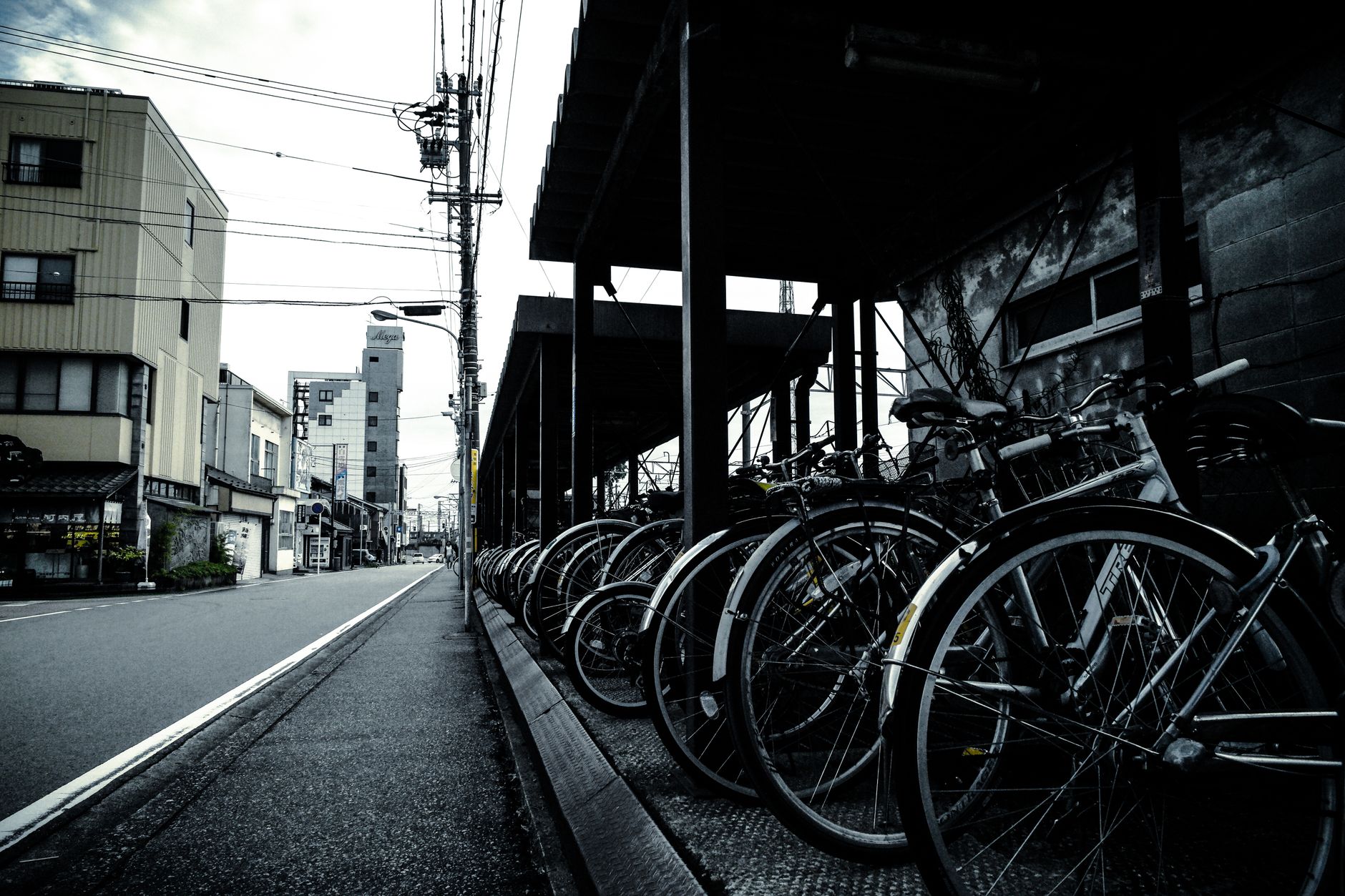
Urban and electric bikes
Commuter and electric bikes specified by real route and load, fitted with mudguards, rack and lights.
See the detailCompatibility verified
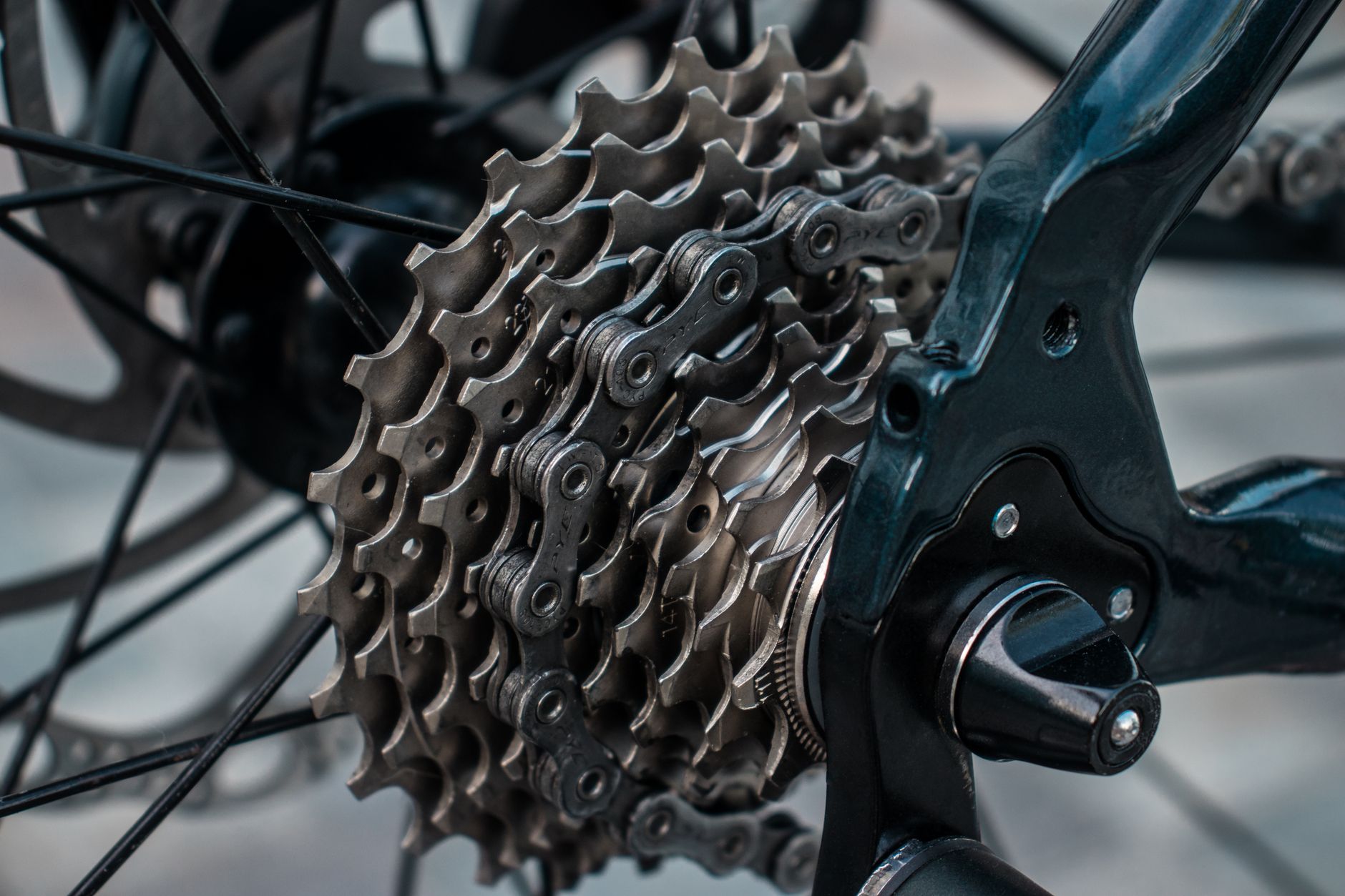
Components and upgrades
Parts checked against the standards on your actual bike and fitted to torque specification.
See the detail