
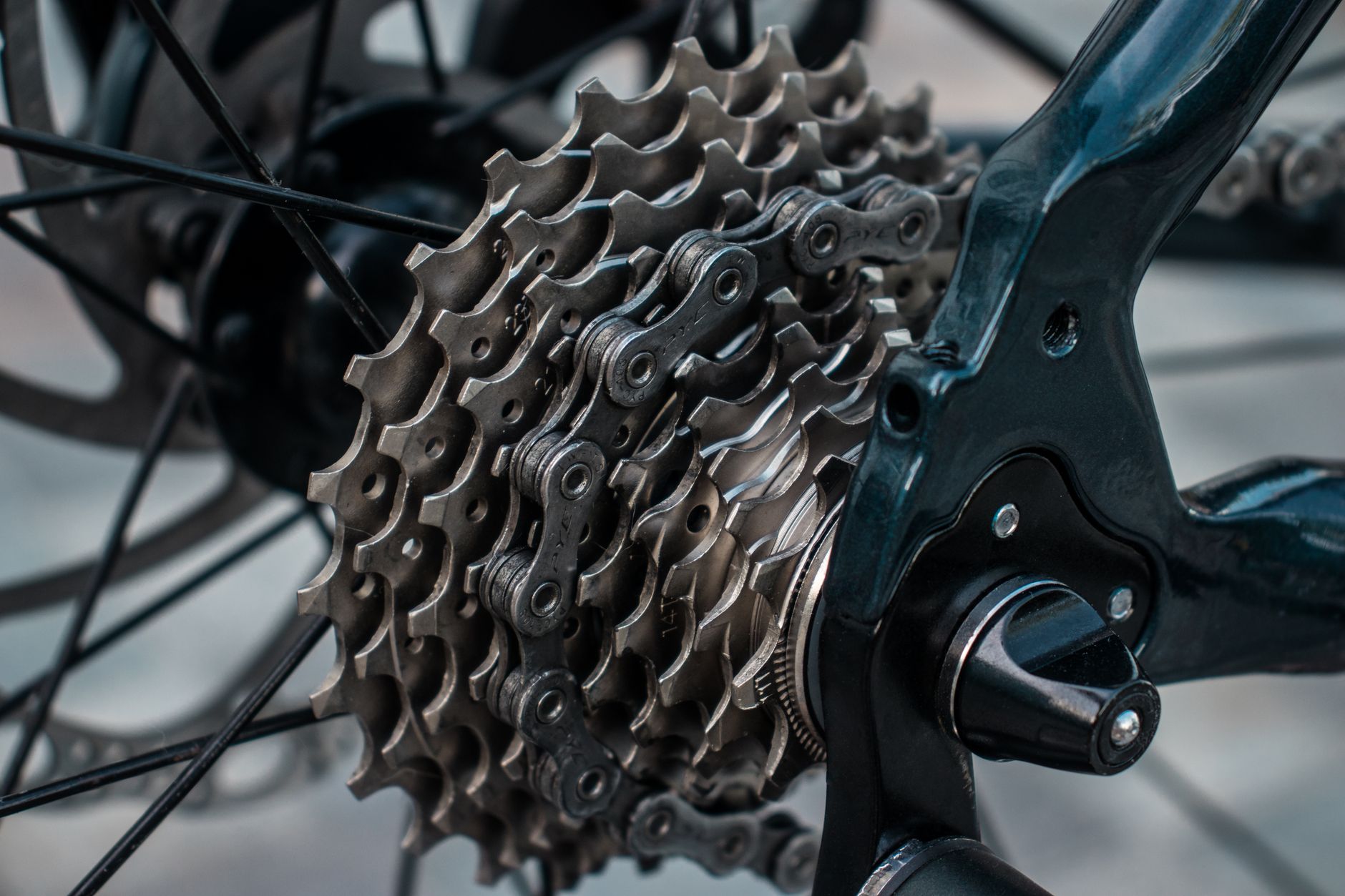
What it is
Components are where a bike is improved or ruined. Compatibility is the constraint: speed count, freehub standard, axle type, brake mount and bottom bracket shell all have to agree before a part is worth ordering.
What is included
- Compatibility verified on your bike
- Honest advice on upgrade priority
- Installation to torque specification
- Gear indexing and brake bedding
- Old parts returned or disposed of on request
How it works
Compatibility check
We verify the standards on your actual bike, because two bikes from the same year and brand can differ.
Priority advice
We say honestly where the money makes a difference, which is usually tyres, wheels and contact points before drivetrain.
Installation
We fit to torque specification, particularly on carbon parts where over-tightening causes real damage.
Adjustment
We index gears, bed in brakes and check the result under load before handover.
Frequent questions
What upgrade gives the biggest improvement?
Tyres, almost always, followed by wheels and by contact points. Drivetrain upgrades change the feel far less than riders expect for the money.
Can I mix component brands?
Sometimes, within the same speed count and cable pull ratio. Shifters and derailleurs in particular are fussy, and we check rather than guess.
Why does torque matter on carbon?
Carbon parts fail by crushing, not by stretching. Over-tightening a seat clamp or stem bolt damages the part invisibly and it fails later, under load.
Related
Sized on reach and stack
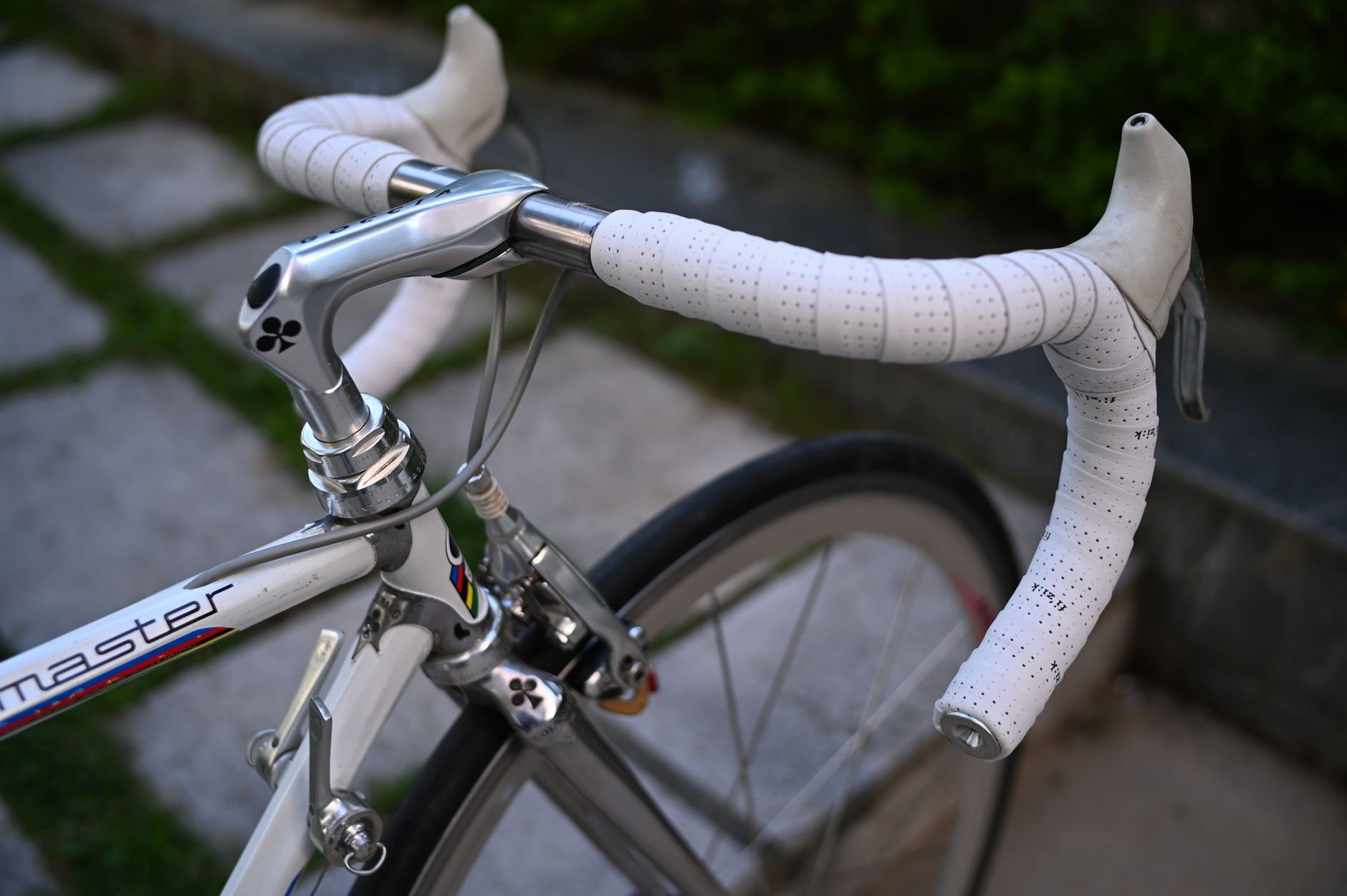
Road and gravel bikes
Road and gravel bikes fitted to the rider and geared for the terrain actually ridden.
See the detailTravel matched to the trail

Mountain bikes
Suspension travel and geometry matched to the terrain, with sag set to rider weight.
See the detailA realistic range
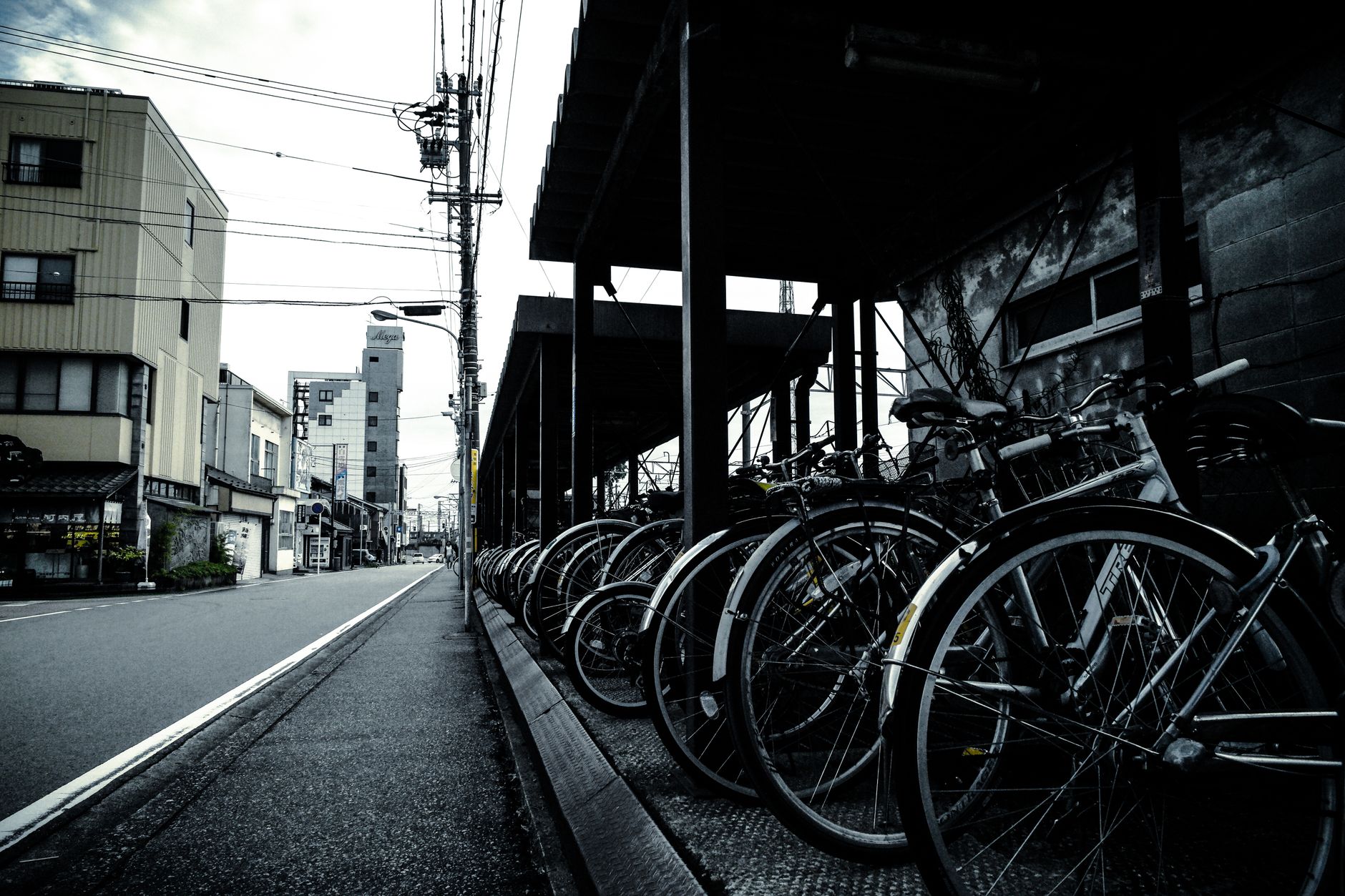
Urban and electric bikes
Commuter and electric bikes specified by real route and load, fitted with mudguards, rack and lights.
See the detail