
What it is
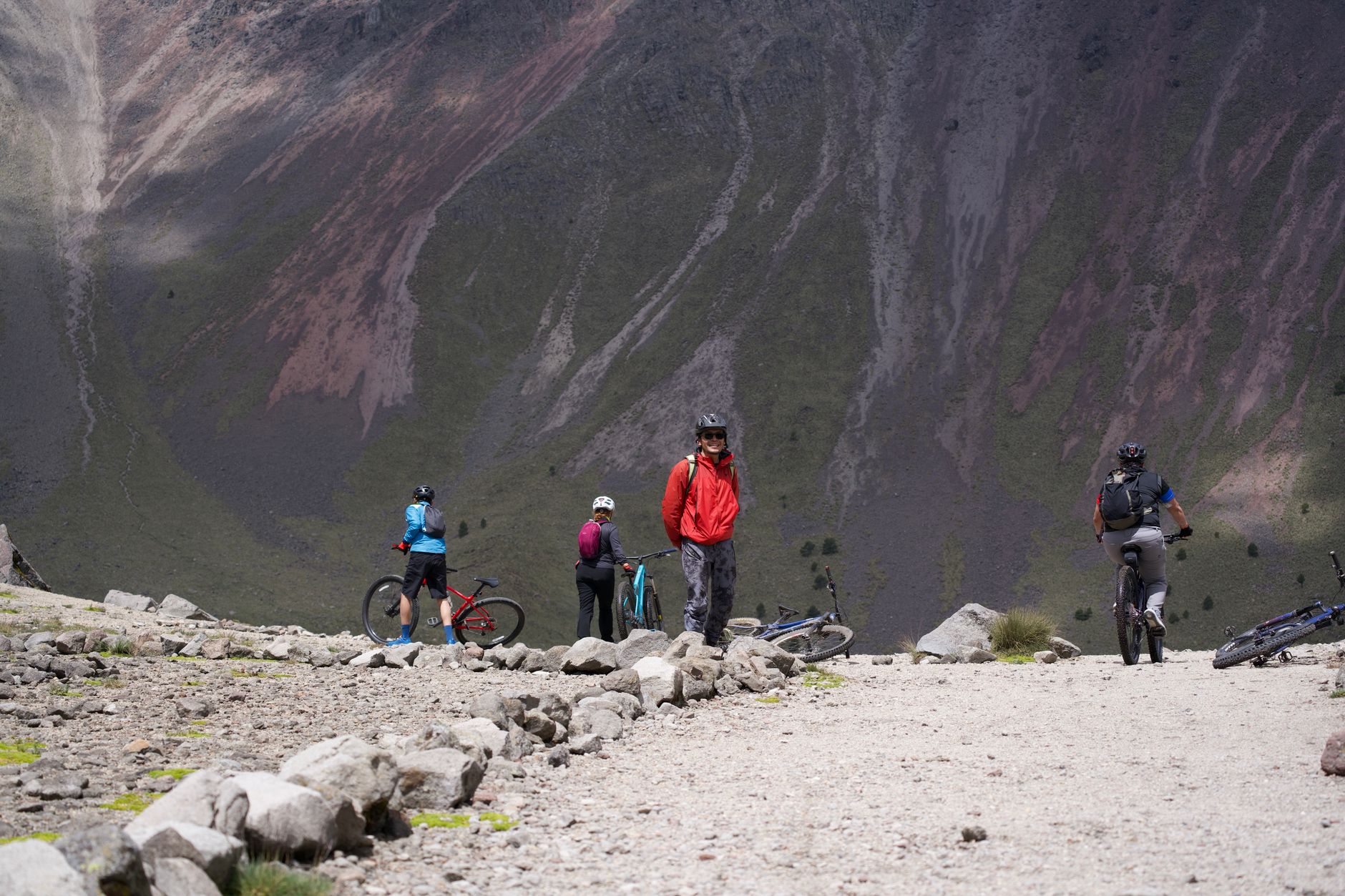
A mountain bike is defined by its suspension travel and geometry, and both should follow the trails actually ridden. Buying more travel than the terrain needs makes a bike that climbs badly and feels slow everywhere except the steepest descents.
What is included
- Terrain and skill assessment
- Travel and geometry matched to use
- Suspension set to rider weight with sag measured
- Bar width, saddle and grip fitting
- Tyre pressure set and explained
How it works
Terrain assessment
We establish what is ridden: cross-country, trail, enduro or descent, since travel and geometry follow from that.
Travel and geometry
We match suspension travel, head angle and wheel size to that terrain and to rider confidence.
Suspension setup
We set sag, rebound and compression to rider weight and style, which most shops skip and which transforms the bike.
Contact points
We fit saddle, bar width and grips, and set tyre pressures for the local ground and rider weight.
Frequent questions
How much suspension travel do I need?
For most trail riding, 120 to 150 millimetres covers it. More travel only pays off on sustained steep descents and costs you on every climb.
What is sag and why does it matter?
It is how far the suspension settles under the rider weight, typically 25 to 30 per cent of travel. Set wrong, the suspension either bottoms out constantly or never uses its travel.
Hardtail or full suspension?
A hardtail teaches line choice, costs less and needs less maintenance. Full suspension is faster and more forgiving on rough ground. For a first serious bike, a good hardtail is rarely a mistake.
Related
Sized on reach and stack
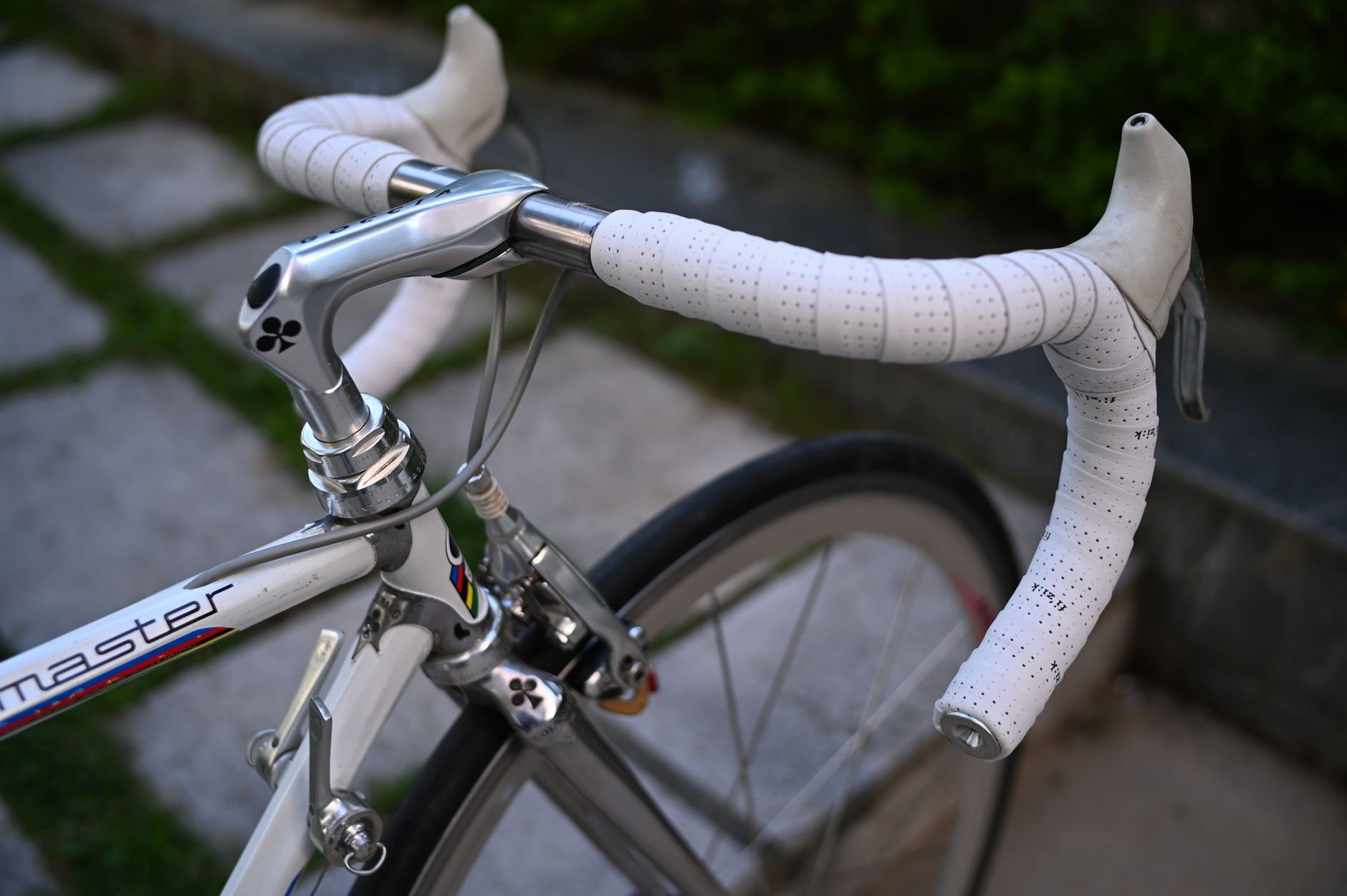
Road and gravel bikes
Road and gravel bikes fitted to the rider and geared for the terrain actually ridden.
See the detailA realistic range
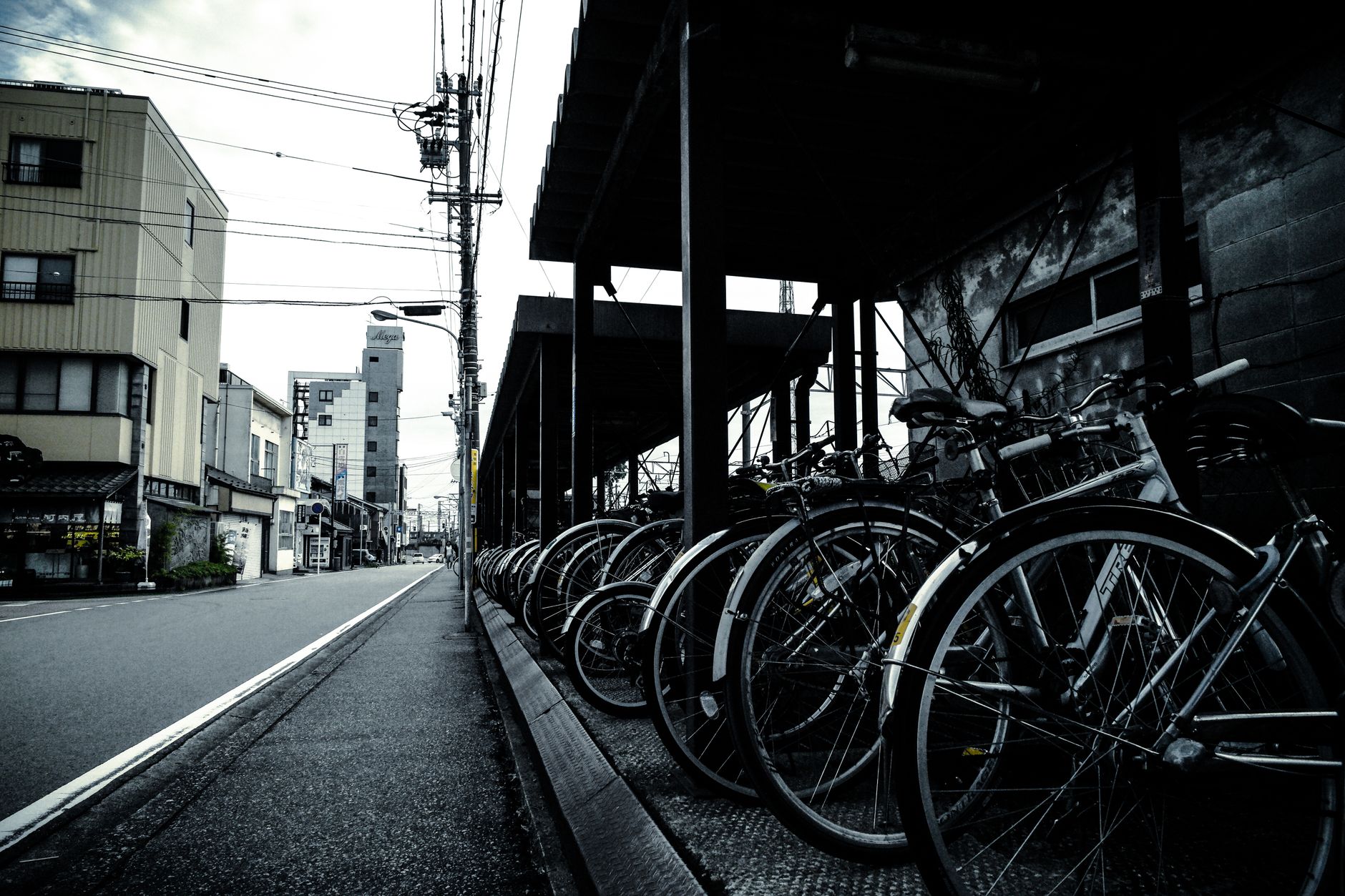
Urban and electric bikes
Commuter and electric bikes specified by real route and load, fitted with mudguards, rack and lights.
See the detailCompatibility verified
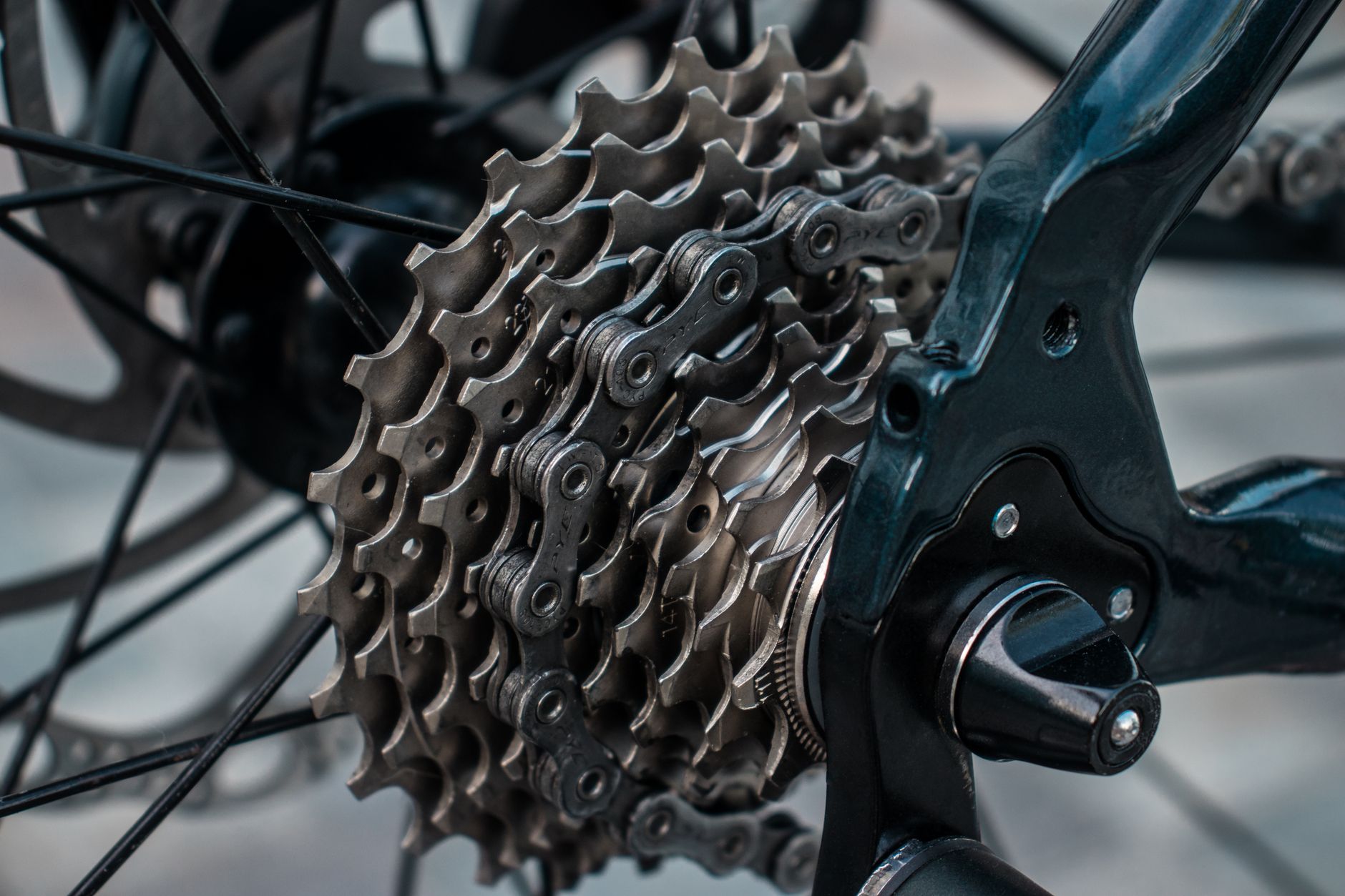
Components and upgrades
Parts checked against the standards on your actual bike and fitted to torque specification.
See the detail